
Electoral Math: Kerala Government Shifts Stance on Sabarimala Ahead of Polls
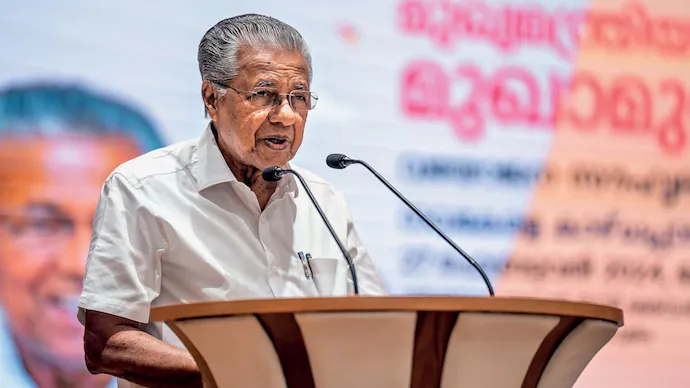
With the upcoming state assembly elections approaching, Kerala’s Left Democratic Front (LDF) government, led by Chief Minister Pinarayi Vijayan, has made a tactical U-turn on the entry of women into the historic Sabarimala Ayyappa temple.
The state administration has indicated that it will support the protection of long-standing religious practices and traditional customs before the Supreme Court. This marks a stark contrast to the government's aggressive stance in 2018, when it actively facilitated the entry of women of menstrual age into the shrine, triggering state-wide protests.
The Political Fallout and Election Math
The ruling Communist Party of India (Marxist) [CPI(M)] faced severe electoral backlash following its initial handling of the Sabarimala crisis. The aggressive implementation of the court order severely alienated the traditional Hindu electorate in Kerala.
- The 2019 Debacle: The impact of the alienation became clear during the 2019 Lok Sabha elections, where the LDF suffered a crushing defeat, losing 19 out of 20 parliamentary seats in the state.
- The Policy Shift: Observers note that the sudden reverence for temple traditions is deeply tied to vote-bank politics as the alliance attempts to prevent a consolidation of Hindu votes behind opposition parties like the BJP and Congress-led UDF.
Opposition leaders have openly criticized the Chief Minister’s sudden shift in alignment. Commenting on the development, Congress MP K. Suresh stated:
"The Pinarayi Vijayan Government opposes the entry of young women simply to appease voters ahead of the upcoming assembly elections. Why did they change their statement? Because of the Assembly elections. After elections, they may again change."
Ideology vs. Devotion
In 2018, the Supreme Court of India lifted the traditional ban on women aged 10 to 50 entering Sabarimala, ruling it a violation of constitutional rights. At the time, the Vijayan government labeled the protests by millions of Ayyappan devotees as "regressive" and deployed heavy police forces to escort activists into the sanctum sanctorum.
Now, with a nine-judge Constitution Bench reviewing the 2018 verdict, the state government has adjusted its position. The state's revised approach aligns with the resolution passed by the Travancore Devaswom Board (TDB), the statutory body managing the shrine, which now advocates for maintaining the deity’s unique celibate (Naishtika Brahmachari) character.
What Lies Ahead
While CPI(M) leadership maintains that the decision balances constitutional law with the sentiments of the faithful, the political landscape remains highly volatile. The Sabarimala issue remains a primary electoral flashpoint, demonstrating that cultural identity and religious sentiments continue to hold significant leverage over secular political strategies in southern India.