
Indian Religious Schools Introduce Environmental Protection into Their Curricula: Can Environmental Education Change Attitudes Toward Water and Waste?
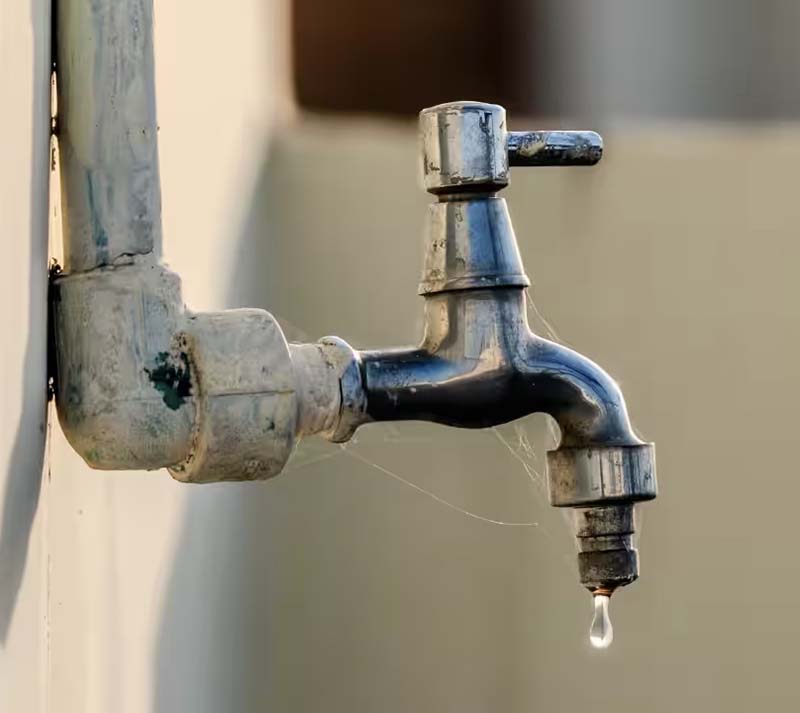
At a school attached to a small temple complex in the town of Moodabidri, mornings now begin not with prayers, but with an inspection of the water taps. Senior students check the washrooms, record leaks in a special logbook, and calculate how much water has been saved over the course of a week. The project is coordinated by 16-year-old Vishal Pujari, who until a few months ago considered cleaning the grounds exclusively the responsibility of the maintenance staff.
The changes began after Sanskrit teacher Devika Bhat proposed combining environmental lessons with traditional teachings about respect for all living things. Her idea was that students should not simply memorize rules of conduct, but also apply them outside the classroom. Schoolchildren now monitor food waste, collect fallen leaves for composting, and organize small sessions for local residents on responsible water use.
Particular attention is being paid to plastic waste, which regularly accumulates around market stalls and religious buildings. Students have organized collection drives for discarded packaging after major festivals and placed separate containers for organic waste near the school kitchen. During the first month, they managed to reduce the amount of rubbish sent to the local landfill. Achieving the same results on the streets surrounding the temple, however, proved considerably more difficult.
Some parents have welcomed the initiative, but a number of teachers remain cautious. During an internal meeting, one of the school's instructors, Shankar Bhat, argued that religious education already demands considerable effort from students. In his view, practical environmental projects should not turn an educational institution into a municipal cleaning service, and keeping the grounds tidy must not come at the expense of studying philosophy and rituals.
The organizers insist that the initiative is not intended to replace the traditional curriculum. Environmental assignments take up only a few hours a week and are linked to subjects the children already study. For example, discussions about conserving natural resources are accompanied by calculations of water consumption, while lessons on personal responsibility include examining where waste from school events eventually ends up.
The most unexpected outcome has been the students' interest in the operating costs of religious institutions themselves. During an inspection of the water supply, Vishal and his classmates discovered a faulty storage tank that had been overflowing at night for several weeks. The repair cost the temple less than expected, and the management agreed to install additional tanks for collecting rainwater. The students are now proposing that the same system be introduced in nearby buildings.
It remains unclear, however, how lasting these changes will be. Some students follow the new rules only during school activities, while several shopkeepers near the temple continue using disposable plastic tableware despite the children's requests. Teachers acknowledge that habits formed over many years cannot be changed in a matter of weeks.
Vishal Pujari believes the project's greatest achievement is neither the amount of plastic collected nor even the water saved. He says that he once viewed littered streets as a problem for municipal services to solve. Now, he and his friends are discussing ways to persuade local shops to switch to reusable packaging. Their next goal is to conduct their own environmental audit of the temple complex and present the management with a list of specific changes.