
Millionaire Offered Vivekananda a Fortune in Exchange for Influence in India — The Philosopher Refused the Deal
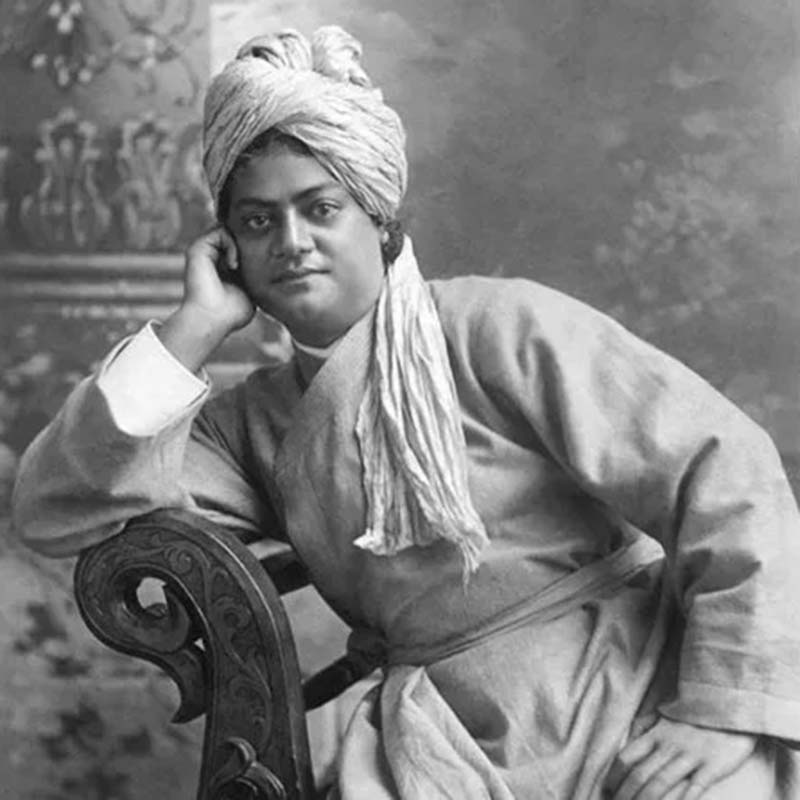
In 1894, as Swami Vivekananda's lectures in the United States attracted an increasing number of followers, the Indian philosopher had an opportunity to secure substantial funding for his work back home. An American millionaire interested in promoting Eastern philosophy offered to support the establishment of Hindu study centers and educational institutions in India. But the financial proposal came with a condition: the donor wanted to participate in key organizational decisions and influence the selection of people who would lead the new institutions.
For Vivekananda, this meant that the movement would gain an outside authority along with the money. He feared that the wealthy patron could eventually determine not only administrative matters but also which ideas would be taught and which would be pushed aside. Instead of an independent Indian organization, the result could be a structure forced to accommodate the interests of the man whose fortune sustained it.
Vivekananda was not seeking to reject American support altogether. On the contrary, he understood that donations could help establish schools, organize assistance for the poor, and train people to continue his work in India. However, he did not want to build a new movement on an agreement that would compromise its independence. The proposal did not become the basis for financing his projects.
This conflict reflected a broader challenge Vivekananda faced during his travels in the West. American audiences gave him access to influential people and financial resources, but the growing popularity of Indian philosophy abroad did not guarantee that its spread would take place on the teacher's own terms.
As he continued working to establish a lasting organization, Vivekananda relied on his own disciples and supporters, who were prepared to advance his ideas without claiming the right to control them. In 1897, he founded the Ramakrishna Mission, combining spiritual practice with educational and charitable work. For him, the essential question was not simply who was willing to provide money, but how much power that money would give its owner.