
Parents in a Karnataka Village Challenge School Cultural Event Over Religious Concerns
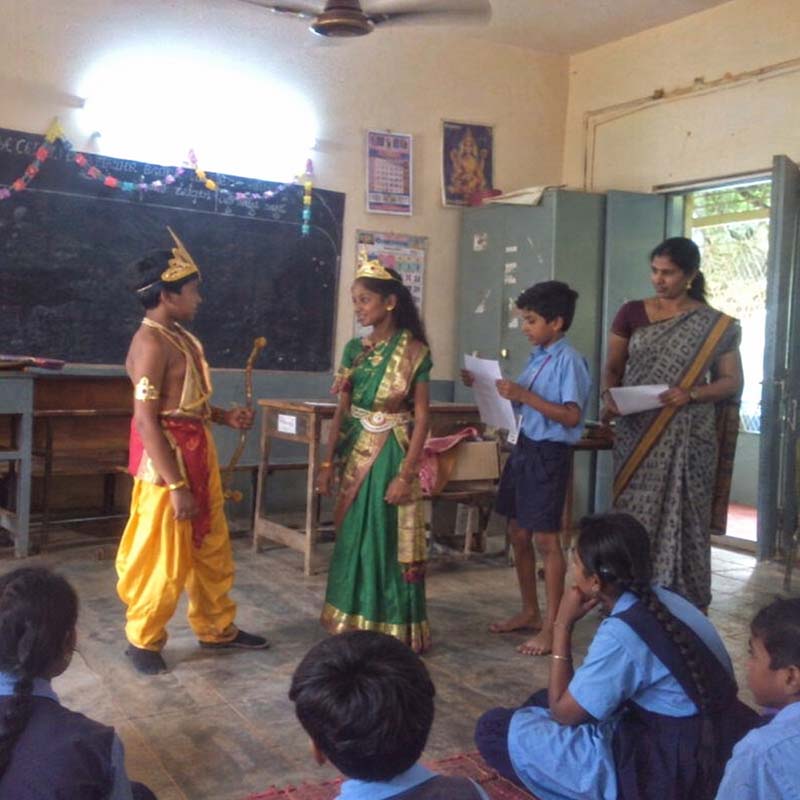
Preparations for an annual cultural event at a government school in Hoskote, on the outskirts of Bengaluru, have sparked disagreement between parents and teachers. Several families have asked the school administration to reconsider parts of the program after learning that students were expected to take part in a theatrical performance based on stories from Hindu mythology.
The planned event includes short plays, musical performances, and traditional dances. Teachers intended the program to introduce students to Indian literary and cultural traditions. However, some parents argued that certain roles and scenes carry religious significance and that children should not be expected to participate without their families understanding the content beforehand.
Ravi Kumar, 38, whose daughter is in sixth grade, asked the administration to share the full script with parents before rehearsals began. He said families should have an opportunity to review the performances and discuss their children's participation in individual scenes.
"We have nothing against cultural activities. But parents should understand what their children will be portraying and what they will be asked to say," he explained.
The school administration maintained that the program was not intended to be a religious ceremony. According to the teachers, the performance was designed to present well-known mythological stories in an educational and artistic context. They also noted that such narratives have long featured in Indian literature, theatre, and classical art.
Following the complaints, the administration agreed to meet with parents and explain the content of the script. Options under discussion include replacing certain scenes, consulting families about students' roles in advance, and allowing children to choose alternative assignments if they are uncomfortable participating in particular performances.
Other parents have opposed removing mythological stories from the program altogether. They argue that introducing children to India's cultural heritage is an important part of school life and does not necessarily amount to promoting religious beliefs.
The disagreement has highlighted differing views on where cultural education ends and religious content begins in school activities. Some families consider it essential that their children not be placed in situations that conflict with their household traditions. Others worry that excessive restrictions could make school cultural programs less diverse.
The administration plans to make a final decision on the script after consulting parents and teachers. Its stated aim is to preserve the educational purpose of the event while taking the concerns raised by families into account.
The dispute has prompted a broader discussion about the place of religious and cultural narratives in school activities. Beyond the choice of a particular performance, the issue raises a question for educators: how can schools introduce students to India's cultural traditions while respecting the diversity of beliefs among families?