
Where Do Flowers Go After Prayers? Indian Cities Seek Ways to Recycle Religious Offerings
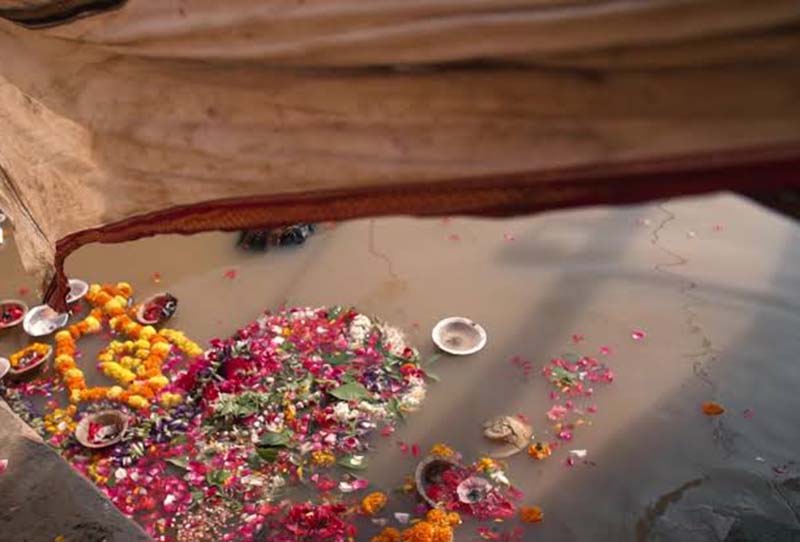
Every morning, baskets filled with wilted garlands, petals, and other offerings left by worshippers appear near temples in the Indian city of Varanasi. Some of these flowers are sent for recycling, but significant quantities still end up along the banks of the Ganges or directly in the water. For municipal services, this is more than a cleaning issue: offerings mixed with plastic packaging and other waste make riverbank maintenance more difficult.
The problem is not limited to major religious festivals. Daily temple visits generate a constant stream of organic waste, which increases during large ceremonies. Flowers are considered auspicious offerings to deities, and after rituals are completed, many worshippers do not know where to dispose of them without showing disrespect for their religious significance.
One possible solution is to establish separate collection points for used flowers directly outside temples and at riverside prayer areas. The collected petals can be composted, used to produce biogas, or processed into natural dyes and aromatic products. These methods make it possible to recover value from organic waste that would otherwise end up in landfills or enter rivers.
However, establishing an effective system requires more than simply installing a few containers. Floral offerings often contain synthetic threads, plastic decorations, and packaging remnants that must be separated before processing. Reliable collection also requires regular transportation, adequate recycling facilities, and cooperation with temple administrations.
There is also the question of public trust. Some worshippers may be uncomfortable with the idea of flowers used in prayers being turned into commercial products. Organizers of such programs therefore need to explain that recycling does not diminish the religious significance of the offerings but instead helps prevent pollution of sacred waterways.
For cities along the Ganges, this challenge is becoming part of broader efforts to reduce river pollution. Success will depend not only on technology but also on how convenient the new collection points are for worshippers. If fewer flowers end up in the water, religious rituals can retain their significance without placing an additional burden on the environment.